Two weddings can take place at the same venue, follow almost the same timeline and contain all the same traditional parts. They can still feel completely different.
That difference comes from the people.
Some weddings are quiet and intimate. Others are full of noise from the moment everyone arrives. Some couples barely stop laughing. Others are more understated. Some families show emotion openly; others communicate it in much smaller ways.
I don't think those weddings should all be turned into the same film.
The style should come from the day.
It is easy to think of wedding filmmaking style as a collection of visual techniques: slow motion, music, camera movement, colour and editing.
Those things matter, but they should not become a formula.
A quiet ceremony followed by an intimate dinner may need space, restraint and longer moments.
A wedding surrounded by energetic friends, loud speeches and a packed dance floor may naturally ask for something with more pace.
The film can still feel unmistakably Vow & Frame while allowing the personality of each wedding to change the way the story is told.
The wedding should shape the film. The film should never force the wedding to become something it wasn't.
I am looking for relationships, not just events.
A timeline tells me when something is going to happen.
It does not tell me which relationships are going to matter most when I am standing in the room.
That becomes clear during the day.
You begin to notice who people naturally gravitate towards. Which friends have known each other forever. How a parent reacts when nobody is speaking to them. Which family members are always making everyone laugh.
Those connections help give a wedding film its identity.
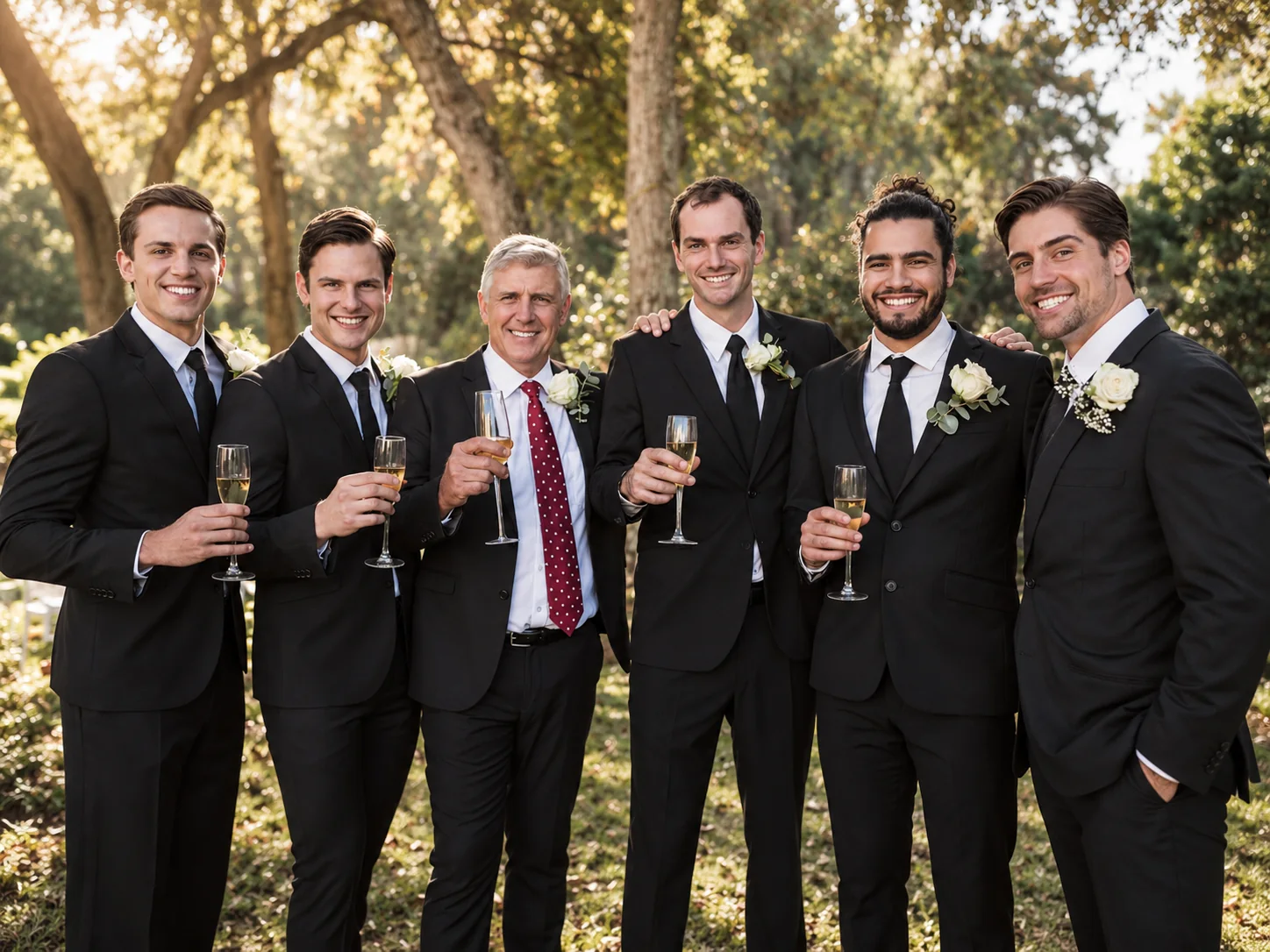
The people around you are part of your story.
A wedding film obviously centres on the couple, but I don't believe it should contain only the couple.
One of the reasons weddings become so meaningful is that they bring people together.
Parents. Grandparents. Siblings. Friends from school. People from completely different parts of your lives suddenly sharing the same room.
Showing those people properly gives the film context.
It reminds you not only where you were, but who was there with you.
People first
The details make a wedding beautiful. The relationships are what make it yours.
Speech audio can completely change the direction of an edit.
I can have an idea of how a film might feel while shooting the day, but sometimes a speech changes everything.
Someone tells a story I could never have known beforehand. A parent describes part of the couple's relationship. A friend reveals a detail that suddenly gives meaning to footage captured hours earlier.
That is one of the reasons I don't want to decide the entire shape of a wedding film before I have listened properly to the recordings.
The words can become part of the structure.
A line from a speech may sit over the preparations. A piece of a vow might lead into footage from later in the day. A laugh recorded at dinner might be exactly what a sequence needs to feel real.
Music should support the personality rather than replace it.
Music has a huge influence over how a wedding film feels.
The wrong track can make a genuine moment feel strangely disconnected. Something too dramatic can make an understated wedding feel like it is pretending to be something else.
I prefer music that supports what is already present.
Sometimes that means warmth and restraint. Sometimes the energy of the reception needs something completely different.
The goal is not to find a song that makes the wedding emotional.
The emotion should already be there.
Not everybody needs to be comfortable in front of a camera.
Most couples are not actors, and most guests have not arrived at a wedding expecting to perform.
That is completely fine.
In fact, I usually prefer it.
People behave differently when they become conscious of being filmed. Conversations change. Reactions become exaggerated. Small moments disappear.
Working quietly allows people to settle back into the day.
Eventually, the camera becomes much less important than whatever is happening in front of it.
Couple portraits should still feel like the couple.
There are moments where some direction is useful, particularly when we step away for portraits.
Even then, I don't want every couple to be given an identical set of movements.
Some people naturally walk and talk. Some are playful. Some prefer something calmer. Some need almost no direction at all.
The aim is not to create a performance.
It is simply to create enough space for the two of you to be together while I work around you.
The edit is where all of those observations come together.
By the time I begin properly shaping a wedding film, I have more than a collection of attractive shots.
I have voices, reactions, relationships, small pieces of atmosphere and moments that may not have seemed significant while they were happening.
The edit is where those things begin speaking to each other.
It may mean holding on a shot for slightly longer because of the expression inside it. Removing a beautiful image because it does not add anything to the story. Allowing a piece of speech audio to lead instead of immediately introducing music.
The choices are guided by what the wedding actually gave me.
Consistency does not have to mean sameness.
There should be a recognisable Vow & Frame approach across the films: understated cinematography, natural moments, strong sound and an editorially cinematic finish.
But consistency should not mean copying the same structure every time.
Your wedding is not another version of somebody else's wedding.
The film should not feel like one either.
Films that feel like the people inside them.
Ultimately, I want a wedding film to become recognisable to the people who were actually there.
Not simply because they recognise the venue or the clothes, but because the personalities feel right.
The laughter sounds familiar. The relationships are visible. The quieter people have not disappeared simply because they were not standing in the centre of the room.
That is what makes a film personal.
Not applying more style to the wedding, but paying enough attention to discover the style that was already there.