
The ceremony, the vows, the speeches and the first dance all matter. They are the moments everyone expects to remember. But when I look back through a wedding day, some of the most meaningful footage is often found in the spaces between them.
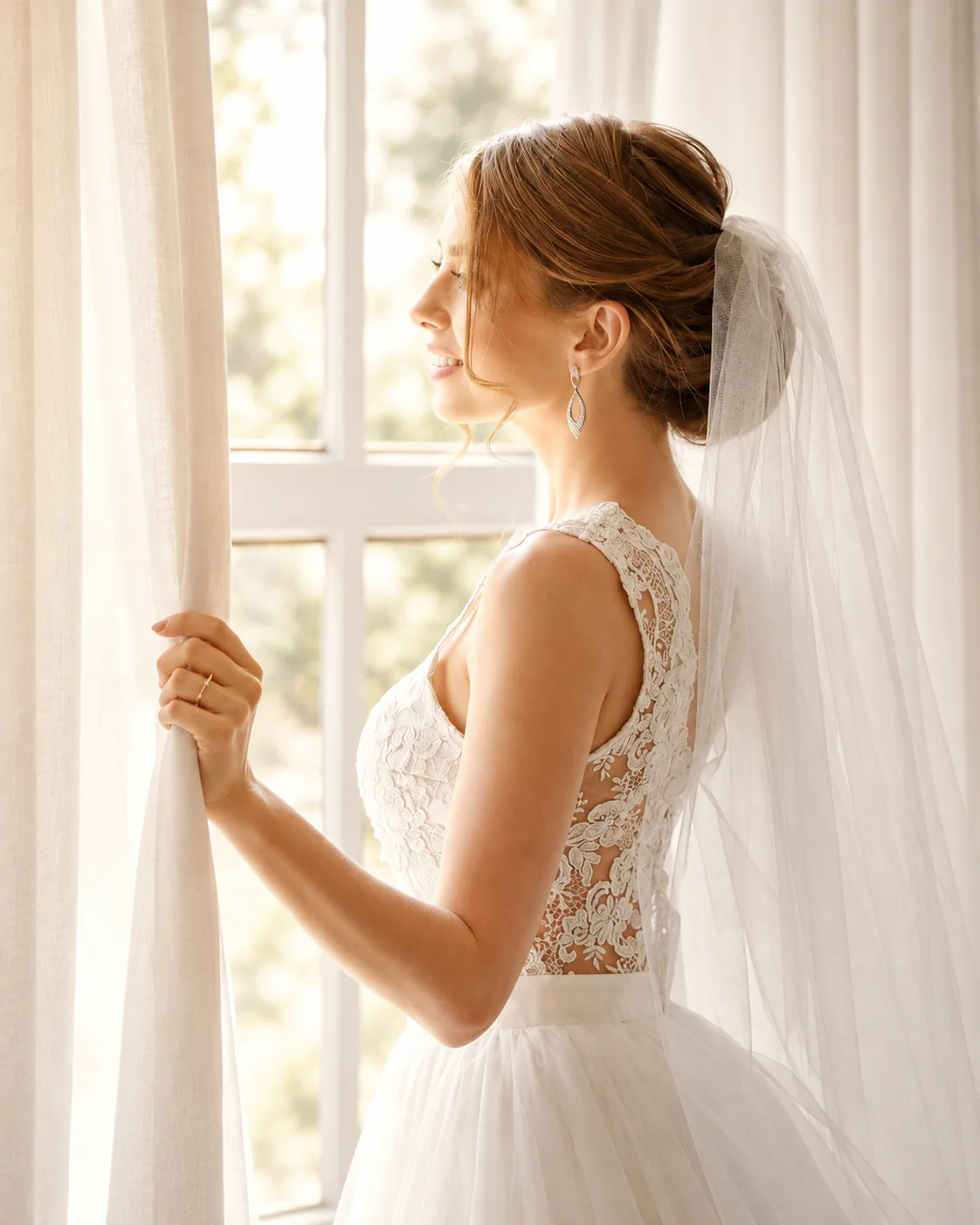
A parent standing quietly at the edge of the room. A bride taking a breath before leaving for the ceremony. A grandparent watching the couple without saying anything. Friends talking in the background while everyone else is focused somewhere else.
These moments are rarely announced.
They simply happen.
Not every important moment looks important at the time.
During a wedding, attention naturally moves towards the obvious events.
Everyone turns when the bride enters. Phones come out during the confetti. Guests gather around for speeches and the dance floor fills once the evening starts.
But while those things are happening, there are often smaller stories taking place around them.
A father may glance across the room during the ceremony. Someone may squeeze another person's hand during a speech. A friend may quietly straighten a dress before anybody notices.
None of those moments need to be directed to have meaning.
Some moments become valuable precisely because nobody realised they were being preserved.
The camera should be close enough to notice, but far enough away to let it happen.
This is one of the ideas behind the way I prefer to film weddings.
I want to be present enough to see what is happening, but not so present that people begin performing for the camera.
If every interaction is interrupted, repositioned or repeated, the film may look polished but it begins to lose the personality of the real day.
Sometimes the best thing I can do is stay where I am, keep the camera steady and wait.
Parents and grandparents often become more important with time.
When couples first watch their wedding film, they naturally focus on themselves.
Years later, the parts that matter can change.
The way a parent looked before the ceremony. A grandparent laughing during dinner. A family member's voice during a speech. Someone dancing who may no longer be there when the film is watched again many years later.
A wedding gathers people together in a way that ordinary life rarely does.
Preserving those people is one of the things that can make wedding film more valuable over time.
Beyond the timeline
A wedding film should preserve the people around the main events, not just the events themselves.
Stillness gives emotion somewhere to exist.
Wedding filmmaking is often associated with movement: camera movements, slow motion, sweeping venue shots and carefully composed portraits.
Those techniques have their place.
But not every scene needs movement.
A static frame can sometimes say more because it gives the viewer time to notice what is happening inside it.
Someone thinking. Someone listening. Two people standing together without needing to say anything.
Leaving those moments alone can make a film feel more human.
Silence can be part of the story too.
Sound is a major part of the way I build wedding films, but that does not mean every moment needs words.
Sometimes the room tone before a ceremony, the sound of a dress moving, distant conversation or a few seconds of near silence can create more feeling than another piece of music.
Those quieter sections give the louder moments contrast.
They allow vows to land differently. They give speeches room to breathe. They make celebration feel more energetic when it arrives.
The wedding does not need to become a production.
There will always be moments where a little direction is useful. Couple portraits are an obvious example.
But for most of the day, I would rather work around what is already happening than create something that exists purely for the film.
I do not want couples spending their wedding wondering what they are supposed to do for the camera.
The day already contains enough.
The most meaningful footage can be incredibly simple.
A wedding film does not need every frame to be spectacular.
A beautifully lit portrait may look impressive. A drone shot may show the scale of a venue. A carefully composed sequence can give the film visual polish.
But the shot that becomes someone's favourite may simply be their mum looking at them across the room.
Technically, it may be one of the simplest shots in the entire film.
Emotionally, it may become one of the most valuable.
These moments cannot be recreated later.
Portraits can sometimes be repeated. A couple can walk through the same doorway again. We can wait for better light.
A genuine reaction only exists once.
That is why observation matters.
It means paying attention before the obvious moment begins and continuing to watch after everyone else assumes it has finished.
Films that remember more than the schedule.
The wedding timeline gives the day structure.
It does not tell the whole story.
The real character of a wedding often lives in conversations, reactions, pauses, relationships and the things nobody planned.
Those are the moments I want a Vow & Frame film to hold onto.
Because years later, it may not be the biggest moment that takes you back.
It may be the quietest one.